

Andrew Dettmer
SANS.edu Success Stories Graduate Certificate in Industrial Control Systems Security
Securing the Systems That Power Modern Life
Some cybersecurity careers are carefully planned. Others take shape through unexpected opportunities. For Andrew Dettmer, a decade-long career in industrial control systems (ICS) security began with what he once considered a “second choice” and quickly became his calling. Today, he works at the forefront of protecting critical infrastructure, applying deep technical expertise to real-world operational environments.
As an ICS/OT cybersecurity consultant with experience in the power sector, Andrew has built a career grounded in both engineering collaboration and hands-on security. Through the SANS.edu Graduate Certificate in Industrial Control Systems Security, he expanded his skill set, bridging the gap between IT and OT and gaining the tools needed to respond to complex threats in high-stakes environments. Now recognized as an Assante Scholar, Andrew continues to advance Mike Assante’s legacy by helping organizations secure the systems that power modern life.
Learn more about the Graduate Certificate in Industrial Control Systems Security.
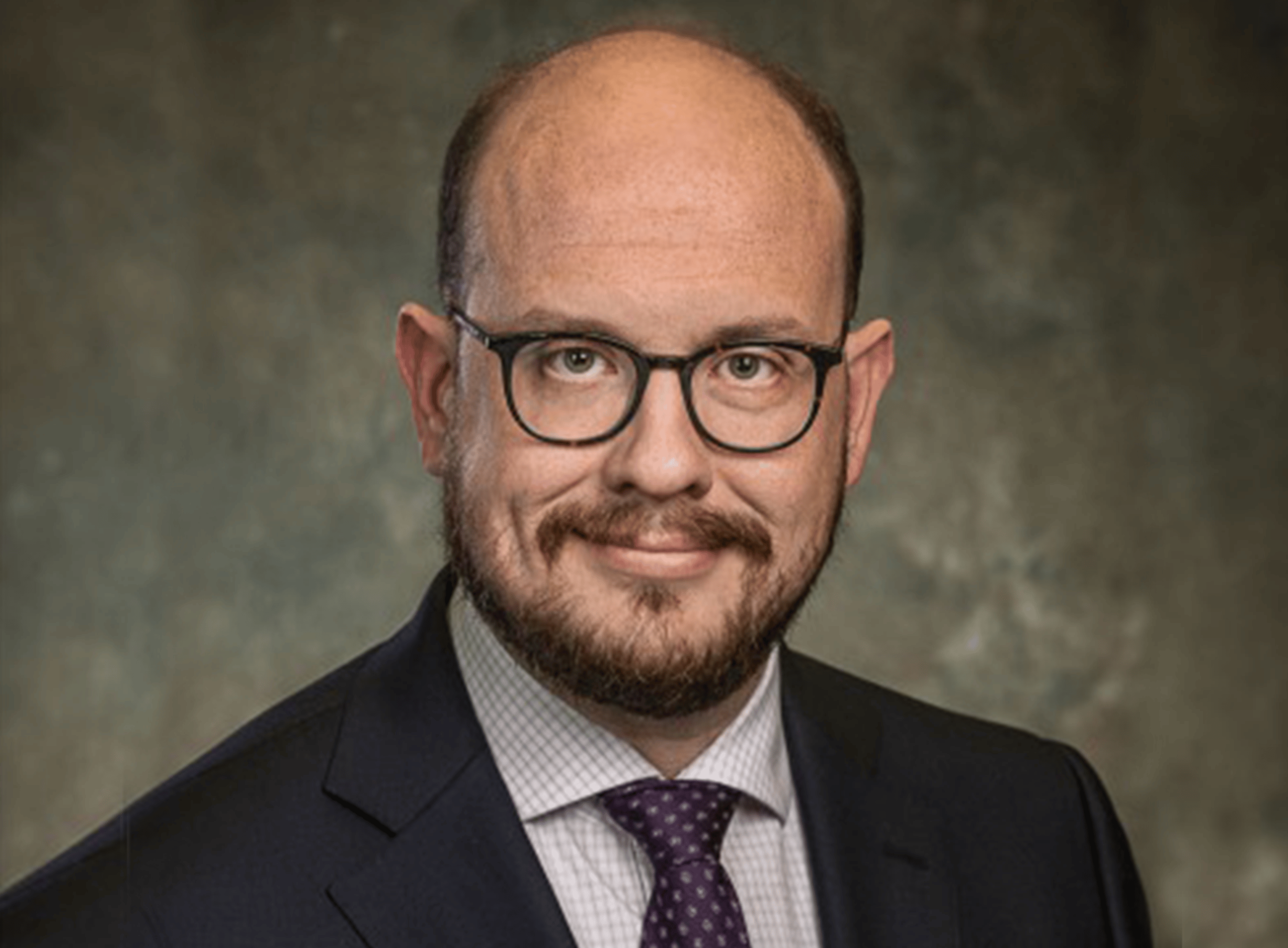
“For a long time, developing advanced cybersecurity skills required a lot of self-study. SANS courses do a great job of explaining concepts at a high level while also showing exactly how the work is done at a technical level. That combination made a big difference.”
Can you tell us about your professional background and what led you to focus on industrial control systems (ICS) security?
About ten years ago, I was working for an electric cooperative that was making a big investment in cybersecurity. They set up separate IT and OT teams. I applied for both, but was only accepted on the OT team, which I initially considered a distant second choice. I couldn’t have been more wrong. It turned out to be the best thing that could have happened to me. I received mentorship from a great controls engineer and realized I had found my calling.
What motivated you to enroll in the SANS.edu graduate certificate program in Industrial Control Systems Security?
The SANS.edu graduate certificate in ICS security is one of the few programs focused specifically on OT environments and how they differ from traditional IT. It gave me the opportunity to build deeper expertise in ICS security.
How did the graduate program in Industrial Control Systems Security at SANS.edu help you deepen your technical skills or expand your career opportunities?
For a long time, developing advanced cybersecurity skills required a lot of self-study. SANS courses do a great job of explaining concepts at a high level while also showing exactly how the work is done at a technical level. That combination made a big difference in building real capability.
Was there a specific course, lab, or hands-on experience during the program that had a lasting impact on how you approach cybersecurity today?
Taking FOR508: Advanced Incident Response, Threat Hunting, and Digital Forensics immediately after ICS515: ICS Visibility, Detection, and Response was a powerful experience. It helped me see how forensic concepts and tools could be applied directly in ICS environments.
Can you share an example of how you’ve applied what you learned at SANS.edu to a real-world problem or project?
When a client needed help performing forensics after discovering malware in their ICS environment, I applied concepts from ICS410 and ICS515 to take a “light touch” approach that minimized risk to operations. I also used the tooling from FOR508 to analyze and mitigate the threat effectively.
What does being named an Assante Scholar mean to you, especially given Mike Assante’s legacy in ICS security?
Having spent much of my career working with CIP compliance, Mike Assante’s legacy has always been present. Receiving this award is both a huge honor and a source of inspiration.
Your work contributes to protecting critical infrastructure. What motivates you in this mission, and what impact do you hope to make in the field?
Securing environments where security tools and policies can be just as disruptive as an adversary presents a unique challenge and a rewarding one. I hope to design architectures that make it easier to implement strong security practices without compromising operations.
What advice would you give to professionals looking to transition into ICS/OT security or advance their careers in this field?
Early on, I approached OT security thinking I would teach operators and engineers how security works. In reality, I had much more to learn from them. Controls engineers understand the importance of security, but they also understand the realities of reliability. Listening to them and understanding the physical processes is critical to success in these environments.