


Cybersecurity Research
Students in SANS.edu bachelor’s and master’s degree programs conduct research that makes a meaningful contribution to the body of cybersecurity knowledge. SANS.edu is proud to be an NSA Center of Academic Excellence in Cyber Defense.

NEW: Research Review Journal 2026
Explore cutting-edge cybersecurity research from graduate students tackling today's toughest threats. Download the Research Review Journal for actionable strategies covering AI security, cloud security, digital forensics, and more.
SANS.edu Cybersecurity Research Highlights

Cybersecurity Research from Working InfoSec Professionals
Master's degree candidates at SANS.edu conduct research that is relevant, has real world impact, and often provides cutting-edge advancements to the field of cybersecurity.
Internet Storm Center
Through its research arm, the Internet Storm Center (ISC), the SANS Technology Institute operates the world’s leading cyber threat detection network.

Bachelor’s Degree Internship
Many of our bachelor’s degree students observe and report on emerging threats in a virtual internship as Apprentice Handlers with the Internet Storm Center, gaining real-world, hands-on experience few other programs can match.
Featured Cybersecurity Research
Explore high-impact research from SANS.edu master's degree candidates, cyber professionals advancing solutions to today’s pressing cybersecurity challenges.
Evaluating Configurations for Reducing Problematic Emotional Engagement in Enterprise LLM Deployments: Implications for Insider Threat Risk
Research PaperThe risks of Large Language Models (LLMs) include triggering psychological drivers associated with malicious insider threat behavior. This study utilized AWS Bedrock to demonstrate that specific system-level configurations and guardrails can effectively mitigate these risks by reducing problematic human-AI engagement.
- 2 Mar 2026
- J. Wolfgang Goerlich
How Many LLMs Does it Take to Classify a Suspicious Email?
Research PaperThis study examines the accuracy, reliability, and operational behavior of three widely available LLMs using a dataset of 2000 human-written emails containing both legitimate and suspicious messages.
- 12 Mar 2026
- Bridget Bartell
Reducing Excessive Trust in the Web PKI Ecosystem
Research PaperThis research examines the possibility of developing an add-on for the open-source mitmproxy project to add drift detection for root Certification Authority (CA) certificates, incorporate policy-based controls over which CAs are allowed, and leverage an ensemble of existing technologies—some in novel ways—to reduce the level of trust placed in the public Web PKI.
- 12 Mar 2026
- Daymon McCartney
Our Students Say
Student Research and Innovation
Megan Roddie
Master of Science in Information Security Engineering
Megan Roddie’s presentation of her well received master’s degree research paper Automating Google Workspace Incident Response at the SANS DFIR Summit led to an invitation to join the authors of the popular SANS course FOR509: Enterprise Cloud Forensics and Incident Response as a co-author. Her work developing labs for the course gives students realistic, practical hands-on experiences that allow them to approach real-life incidents more effectively.

Brian Davidson
Master of Science in Information Security Engineering
For his master’s degree research project, U.S. Marine veteran Brian Davidson created a first-of-its-kind human interface device firewall—a firewall between a keyboard and the computer—that is patent pending. Learn why Brian chose SANS.edu and how his education made him an increasingly valued asset to his employer.
Lori Brumm
Bachelor’s Degree in Applied Cybersecurity
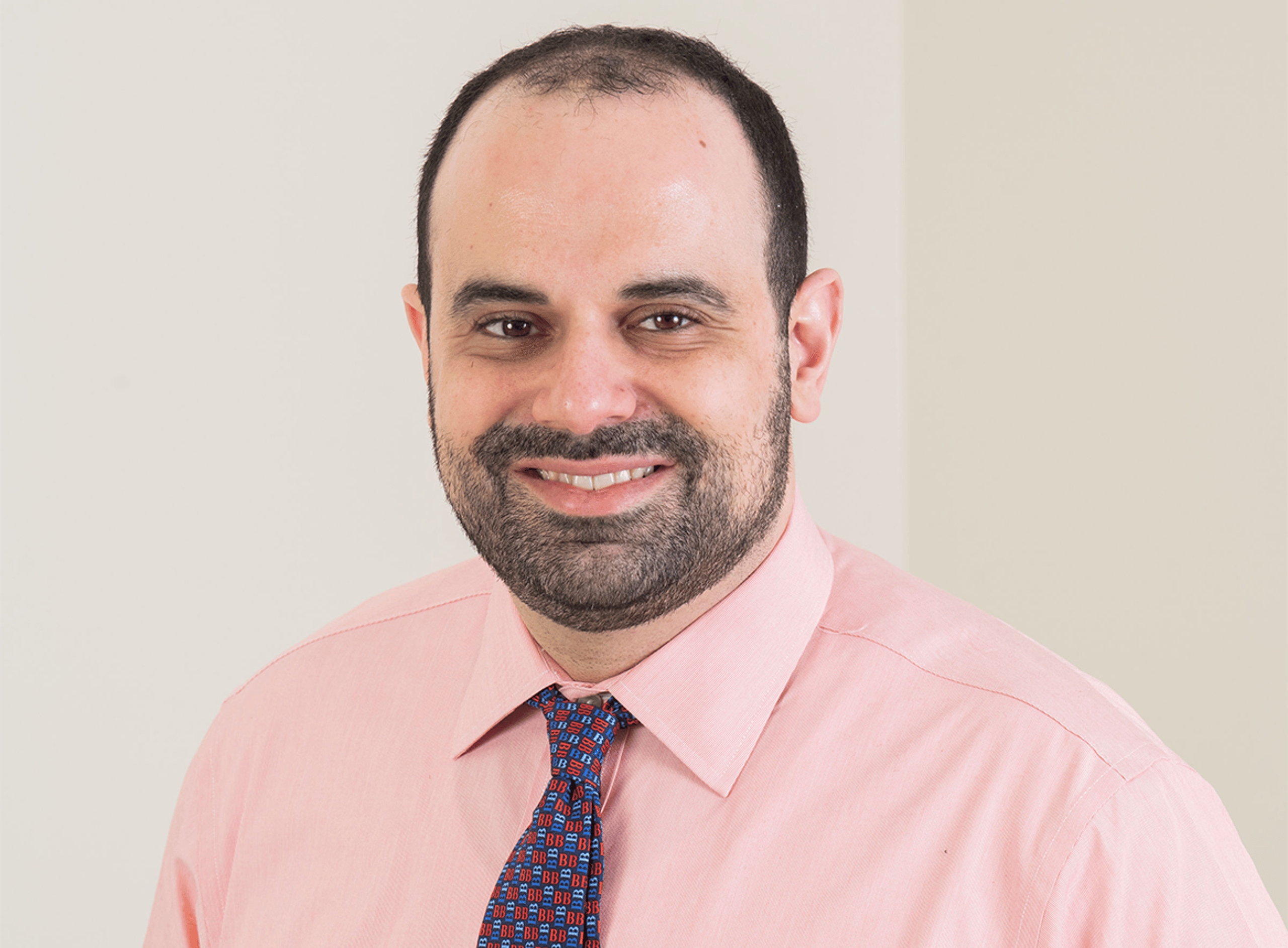
Lori Brumm says that working with Internet Storm Center director Dr. Johannes Ullrich was one of the most valuable parts of her internship as a bachelor’s student at SANS.edu. She chose to pursue her bachelor’s degree at SANS.edu to gain a strong competitive advantage in the job market—and because the online options gave this busy mother of three the flexibility she needed to succeed.

Quantifying Threat Actor Assessments | Webcast
Andy Piazza, Senior Director of Threat Intelligence at Palo Alto Networks Unit 42 and a graduate of the SANS.edu master’s degree program, discusses his research on quantifying threat assessments in this Webcast with SANS faculty member and Principal Intelligence Analyst for Red Canary Katie Nickels.